Where Are Official Changes to Turkish Legislation Published?
In short: where to look for changes in Turkish laws
✅ Allowed
- Open the current text of a law on mevzuat.gov.tr: it shows the date of adoption, the Gazette number and notes on amendments.
- Look for the original publications and Constitutional Court decisions in the Official Gazette (resmigazete.gov.tr).
- Look at amounts and lists in the decisions of the President and ministries to which an article of law refers.
- Follow the general notices of the tax service on gib.gov.tr and the news of the migration service and the land registry.
⛔ Not allowed
- Rely on retellings in blogs and from estate agents without checking the text.
- Assume that a law always enters into force on the day of publication: sometimes later (example: Law No. 7589, 31 October 2026).
- Read an article without the notes and footnotes: they show what has been changed or repealed.
- Use outdated translations of laws.
This is a short summary of the text of the law. Details, quotations of articles and links to the official texts are below. The visa-free stay depends on your citizenship, and amounts and lists of countries are set by secondary acts, so check them on the date of your decision.
Law in Turkey changes not only when a new law is adopted: changes are made by Presidential decrees, Constitutional Court decisions, ministry notices and clarifications of the tax authority. Where changes to Turkish laws are published and how to find them is important for any foreigner to know, because retellings go out of date faster than the texts change. Below are the official sources, and examples from real texts of laws show how to understand from the notes what changed and when.
The material is for information and does not replace advice from a lawyer. All the named websites work in Turkish, and some sections are also available in English.
The Official Gazette (Resmî Gazete)
The first publication of laws, decrees, Presidential decisions and Constitutional Court decisions takes place in the Official Gazette: resmigazete.gov.tr. Each issue has a date and a number: for example Law No. 6458 was published on 11 April 2013 under No. 28615, and Law No. 5901 on 12 June 2009 under No. 27256. Sometimes a “repeat” (mükerrer) issue appears: that is how the Constitution was published on 9 November 1982 (No. 17863). The archive of earlier issues opens at an address of the form resmigazete.gov.tr/eskiler/2013/04/20130411.htm.

The legislation information system (mevzuat.gov.tr)
The current texts of laws in their up-to-date version are published by mevzuat.gov.tr. At the top of a law’s page are the number, the date of adoption, the date and number of the Gazette issue and the volume of the “Düstur” (for example, for Law No. 2644: adopted on 22 December 1934, Gazette of 29 December 1934, No. 2892). Inside the text, each amended article carries a note in brackets: the word “Değişik” (amended), “Ek” (added), “Mülga” (repealed) and the date of the law that made the change. For example, in Law No. 6458 Article 31 has a note on the addition by Law No. 7533 of 21 November 2024, and in Law No. 2644 additional Article 4 has a note on Law No. 7579 of 7 May 2026. At the end of the text there is a table of all the amendments with dates.
Constitutional Court decisions
The Constitutional Court may annul a provision of law wholly or in part. These decisions are published in the Official Gazette, and on the law’s page they are reflected in footnotes. An example from Article 21 of Law No. 6458: a footnote reports that by a decision of 25 January 2023 (E.2020/30, K.2023/12) certain provisions on intermediaries for receiving residence permit applications were annulled. So when reading an article, look at the footnotes: part of a sentence may already be invalid.
Presidential decisions and ministry decisions
Many amounts and lists are determined not by laws but by acts of the President and ministries. Thus the list of countries for buying property is determined by the President (Law No. 2644, Article 35), the quality and value of property for a residence permit by the ministry (Law No. 6458, Article 31, paragraph 6), and the amounts of administrative fines under the Commercial Code for 2026 were announced by the Ministry of Trade in the Official Gazette of 17 December 2025 (No. 33110). Such decisions are published in the Gazette or on the websites of ministries: the migration service, NVİ, the tax administration, TKGM.
General notices of the tax service
Tax rules are often explained by “general notices”. For property tax such a notice of series No. 87 was published in the Official Gazette on 9 August 2025 (No. 32981). Its footnote is given directly in the text of Law No. 1319. So on tax questions look at both the law and the latest notices on the GİB website.
Bills and adopted laws
The progress of discussion of bills and the text of adopted laws are posted by the Grand National Assembly on the website tbmm.gov.tr. A law enters into force under its last article, most often on publication, but sometimes later: for example, the amendment of Law No. 7589 of 16 July 2026 to the Civil Code enters into force after three months, on 31 October 2026.
How to follow the changes
- Save bookmarks on your phone: the Official Gazette, mevzuat.gov.tr, the migration service website, TKGM and GİB.
- For each law that concerns you, open the text once a quarter and look at the table of amendments at the end.
- For amounts, lists and deadlines, look for the decision of the President or ministry by name and date.
- Write down the date of checking and the link, so that you can show it to a lawyer later.
- If in doubt, put a question to the migration service or land registry in writing (more in article No. 20).
What we do in this section
Each article of the section “Laws of Turkey” gives a link to the text of the law and states the date of checking. The latest changes for 2025–2026 are analysed in the article “Which regulations and amendments came into force in 2025–2026”, and how to check whether a specific article is in force today in article No. 17. Read the general overview of the laws on the stay of foreigners in article No. 1. If you are choosing a flat, look at the property catalogue.
Conclusion
Official changes to Turkish laws are published in the Official Gazette and are reflected in the mevzuat.gov.tr system with notes in the text and a table of amendments, while amounts and lists are found in the decisions of the President and ministries. Do not rely on retellings: open the text and check the date. Read the other questions of this section on the page “Laws of Turkey”.
The material does not replace advice from a lawyer. The examples are taken from the texts of laws on mevzuat.gov.tr as of October 2026.
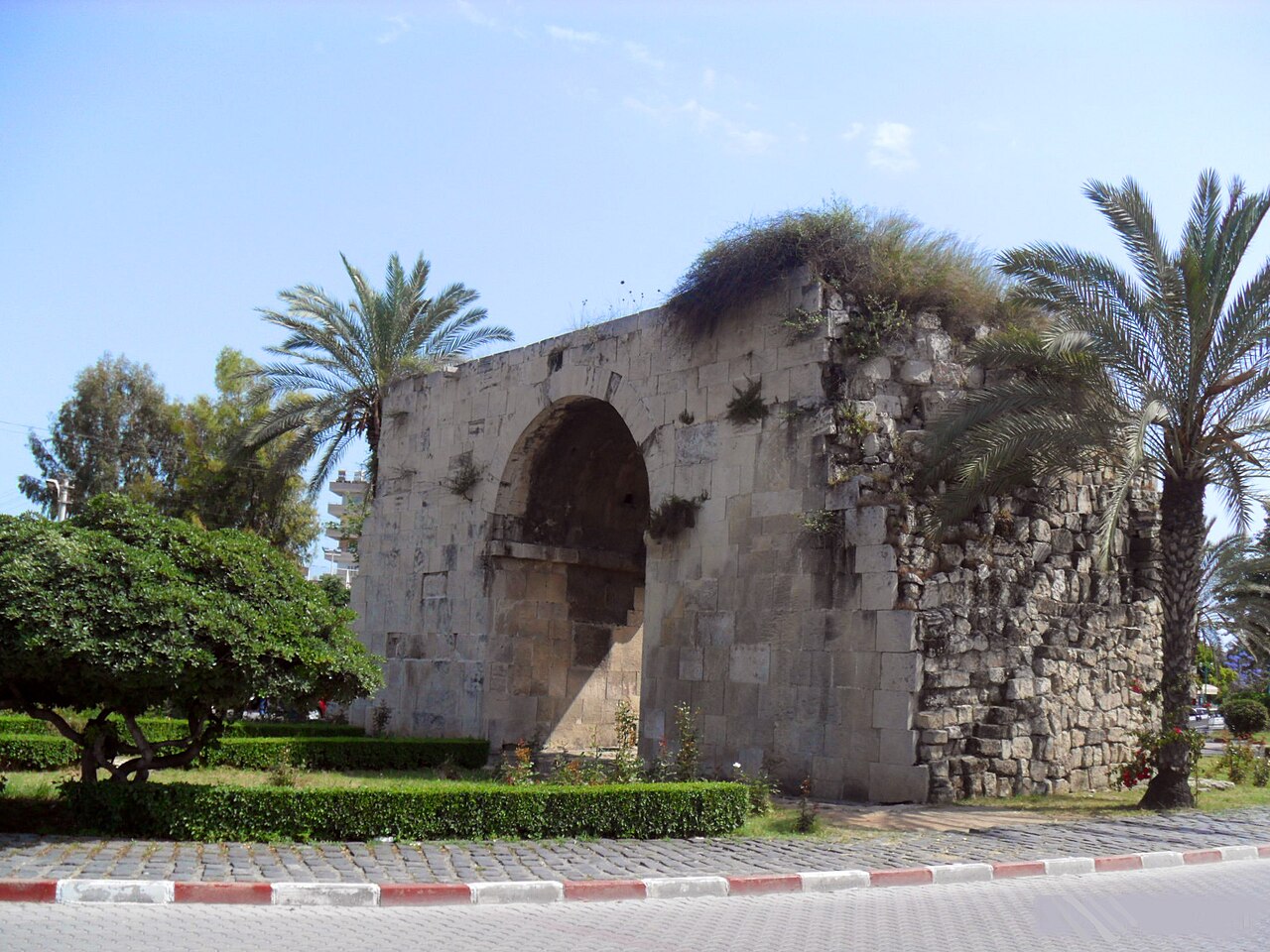
Photo: Nedim Ardoğa (CC BY-SA 3.0), Wikimedia Commons; photos of the complexes are used with the site owner’s consent.