Which Laws Regulate the Purchase of Property by Foreigners?
In short: what is and is not allowed when a foreigner buys property
✅ Allowed
- Buy a flat, house or plot if your country’s citizenship is on the list determined by the President (Law No. 2644, Article 35) (which countries are on the list: see the expandable block below).
- Buy within the limits: up to 10% of the privately owned area of a district and up to 30 ha per person nationwide (the President may raise the 30 ha up to twofold).
- Buy through a Turkish company in which foreigners hold at least 50% or appoint the majority of managers, for the activities in its articles (Article 36).
- Have a notarised sale promise annotated in the register at the request of either party (Article 26).
- Inherit property: the transfer is made on a certificate of inheritance confirmed by a Turkish court (Article 37).
⛔ Not allowed
- Treat a notarised contract of sale as a transfer of ownership: the right to property arises on registration in the land register.
- Buy in military prohibited zones, security zones and strategic areas.
- Buy freely through a foreign commercial company: it can do so only under special laws (Article 35).
- Leave a bought undeveloped plot without a project: the project must be submitted for approval within two years, otherwise the property may be liquidated.
- Treat a purchase as a basis to live in the country without a residence permit (Law No. 6458, Article 19).
This is a short summary of the text of the law. Details, quotations of articles and links to the official texts are below. The visa-free stay depends on your citizenship, and amounts and lists of countries are set by secondary acts, so check them on the date of your decision.
Which countries are on the list that allows foreigners to buy property? (click to expand)
What the law says. Article 35 of Law No. 2644 contains no countries. It says that foreign citizens of the countries determined by the President of Turkey may acquire property, and that the President may restrict or prohibit acquisition by country, person, region, period, type and area. The list exists as a decision, not as a list in the text of the law.
What the official guides say. Guides of the General Directorate of Land Registry and Cadastre (TKGM) name about 183 countries whose citizens may acquire property (TKGM guide). The TKGM guide on citizenship through property says that citizens of Syria cannot acquire property in Turkey (TKGM guide, 2021 edition).
What we did not find. We did not find a complete official list of countries as a separate table in open access. Sources disagree: the numbers 183, 184 and 195 appear. So we do not publish our own list and do not retell lists from blogs. Check your citizenship directly.
How to check your country before a deposit:
- Ask at any land registry office (tapu müdürlüğü): staff see the current list in their system.
- Ask TKGM at tkgm.gov.tr or on the Your Key Türkiye portal.
- Ask a lawyer who works in Turkey to confirm the answer in writing.
- Keep the answer with its date: the President may change the list.
Buying a flat or a house in Turkey is not regulated by a single law: the laws on the purchase of property by foreigners include the land registry law, the Civil Code, the Code of Obligations, the condominium law and the rules on construction and insurance. Below are the main acts, an explanation of which question each one resolves, and where to read the official text.
The material is for information. Rates, amounts and lists of countries are determined by secondary acts and may change, so check them on official portals before a deal.
The main law: Law No. 2644 on Land Registry
The law was adopted on 22 December 1934 and published on 29 December 1934 (No. 2892). It determines how rights to property are registered. For foreigners the key provision is Article 35. It says that foreign citizens of the countries determined by the President may acquire property and limited real rights in Turkey, subject to legal restrictions. The total area of property acquired by a foreigner may not exceed ten percent of the privately owned area of the district and thirty hectares per person nationwide; the President may raise the second figure up to twofold.
“Yabancı uyruklu gerçek kişiler Türkiye’de taşınmaz ve sınırlı ayni hak edinebilirler” (Law No. 2644, Article 35). Foreign natural persons may acquire property and limited real rights in Turkey subject to the established conditions.
Article 35 also restricts foreign commercial companies: they may acquire property only within the framework of special laws. If property is acquired in breach of the article, the state may require it to be liquidated: the property is sold and the proceeds paid to the owner. The text of the law: mevzuat.gov.tr, Law No. 2644. Detailed analysis in the article What Law No. 2644 regulates.
The Civil Code and the Code of Obligations
The Civil Code (Law No. 4721) sets the general rules on ownership and the land register: the right of ownership of immovable property arises on registration. The Code of Obligations (Law No. 6098) determines how a contract of sale is concluded and what rights and responsibilities the parties have. For immovable property the contract must be drawn up in the prescribed form, so in practice the deal is signed at the land registry in the presence of an official. This protects the buyer: the signature is recorded officially and the parties’ tax numbers are entered in the contract.
The law on ownership of floors
Law No. 634 on Ownership of Floors (Kat Mülkiyeti Kanunu) determines how an individual flat is separated in an apartment building, how the common parts are arranged and how the building is managed. Two types of documents for a flat are connected with it: “Kat İrtifakı” for a building under construction and “Kat Mülkiyeti” for a completed one. We explained these terms in the article on buying property as a foreigner.
The law on compulsory earthquake insurance
Law No. 6305 on Insurance against Natural Disasters (Afet Sigortaları Kanunu) regulates compulsory insurance of housing against earthquakes, known as DASK. The policy is needed when the transfer of title to a flat is registered. Information on insurance is on the DASK site.
Construction and urban planning rules
Law No. 3194 on Urban Planning establishes that a building is erected with a permit and accepted into use with the corresponding document. The buyer should check two documents: the building permit (yapı ruhsatı) and the occupancy permit (iskân). How to do this is explained in the article How to check a developer in Turkey.
Military and special zones
Law No. 2565 on military prohibited zones and security zones restricts transactions with property in such places. Article 35 of Law No. 2644 provides that maps and coordinates of military and protected zones are passed to the land registry authority and transactions are carried out taking this data into account. The buyer does not need to look for these zones themselves: the check is made at registration, but it is worth asking the seller and a lawyer beforehand.
Taxes, fees and consumer protection
The registration fee is determined by Law No. 492 on Fees, and taxes on property and income from it are set out in the tax laws. Rates change often, so in the articles of the section we give links to official sources rather than fixed figures. The buyer’s rights when buying from a developer are also protected by Law No. 6502 on Consumer Protection.
How to use these laws
When you read a law, remember three rules. First, look for the provision itself, because an estate agent’s retelling may be inaccurate. Then look at the date of the last amendment: on the portal mevzuat.gov.tr the whole history of changes is shown. And finally check secondary acts, which set amounts and lists. You can choose a flat in Mersin in the property catalogue, and an overview of the general laws on the status of foreigners is in the article Which main laws regulate the stay of foreigners in Turkey.
How the laws connect in a single deal
To see the whole picture, match the steps of the purchase with the acts responsible for them.
- A foreigner’s right to buy is determined by Article 35 of Law No. 2644 and the President’s decisions on countries.
- The contract is regulated by the Code of Obligations No. 6098, and the registration takes place at the land registry under Article 26 of Law No. 2644.
- The tax number is needed because Article 26 requires the parties’ numbers to be entered in the official deed.
- DASK insurance is arranged under Law No. 6305.
- The registration fee is determined by the Law on Fees No. 492.
- The building and occupancy permits belong to the Urban Planning Law No. 3194.
- A flat in an apartment building is registered under Law No. 634 on Ownership of Floors.
- A residence permit for a property owner is described in point “b” of Article 31 of Law No. 6458.
What the law does not decide for you
The law does not determine how reliable a particular developer is, whether the contract is drawn up correctly or whether the price is inflated. These questions are solved by checking documents. We have collected recommendations in the articles How to check a developer in Turkey and Buying property in Turkey as a foreigner: step by step. The law also does not replace common sense: do not pay until you have read the whole contract.
Typical misconceptions
- “Foreigners are allowed everything”. No: the countries are determined by the President, and there are limits on area and special zones.
- “I bought a flat so I can live without a permit”. No: a residence permit under Law No. 6458 is needed.
- “Taxes and fees are fixed”. No: rates are set by tax laws and they change.
- “A notarised contract transfers ownership”. No: the right of ownership arises on registration in the land register, and a notarised sale promise can only be annotated in the register, as Article 26 says.
Checklist before a deal: which laws to remember
- Article 35 of Law No. 2644: is your country on the list and will you exceed the limits.
- The Code of Obligations: what the contract says about price, area, deadlines and liability.
- The law on ownership of floors: how the flat in the building is registered.
- The urban planning law: whether there are building and occupancy permits.
- The insurance law: whether the DASK policy is ready.
- The law on fees: which fee will be charged at registration.
- Law No. 6458: whether you need a residence permit after the purchase and on what ground.
Citizens of which countries may buy property in Turkey
The answer is written in Article 35 of Law No. 2644: property may be acquired by foreigners who are citizens of the countries determined by the President, “in terms of bilateral international relations and where the interests of the country require”. The list itself is not in the text of the law. According to the guidelines of the General Directorate of Land Registry and Cadastre (TKGM), citizens of about 183 countries have the right, and citizens of Syria cannot acquire property. We did not find a complete official list in open form, and sources give different numbers (183, 184 and 195), so we do not publish a list of our own. The principle of reciprocity was removed from the article in 2012: the answer depends on the decision and not on how Turkish citizens are treated in your country. How rights differ between countries is analysed in article No. 10, and what to do on a refusal in article No. 37.
Where to check the right of a citizen of a specific country
- Ask, in writing or in person, at the land registry office (tapu müdürlüğü): the staff see the current list in the system.
- Put the question to TKGM (tkgm.gov.tr) or on the Your Key Türkiye portal.
- Ask a lawyer who works in Turkey to confirm the answer in writing.
- If you have two citizenships, clarify which passport you present.
- Keep the answer with the date: the President may change the list. How to draft an enquiry is in article No. 20.
Conclusion
The purchase of property by a foreigner rests on Law No. 2644, the Civil Code, the Code of Obligations, the law on ownership of floors, the DASK insurance law, urban planning legislation and tax acts. All of them are available on official portals. Read them in the current version and show the contract to a lawyer. You will find the other questions of the section on the page Laws of Turkey.
This material does not replace a lawyer’s advice. The information was checked against the text of Law No. 2644 on 21 October 2026.
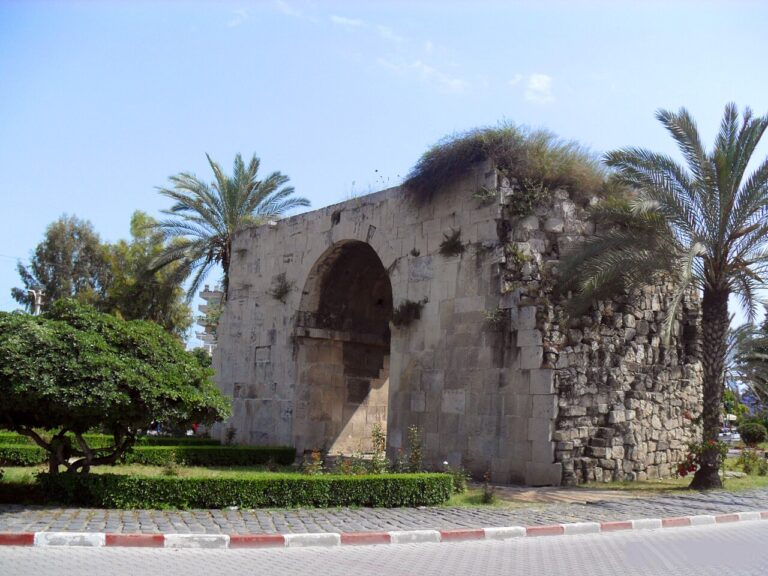
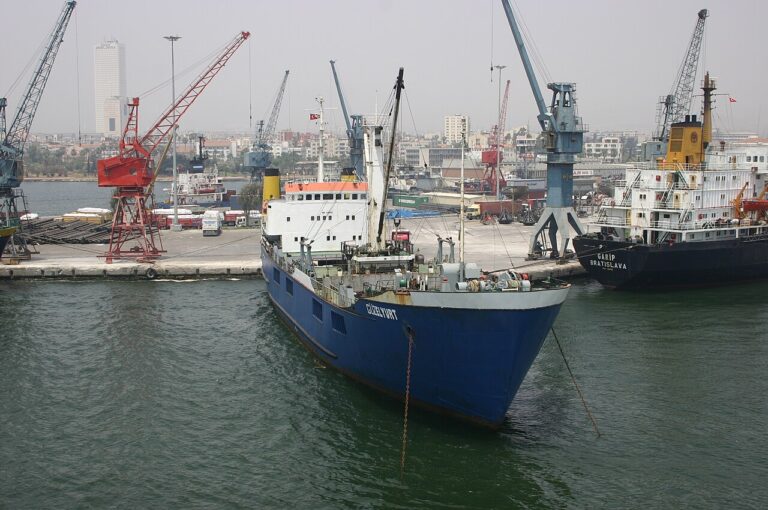
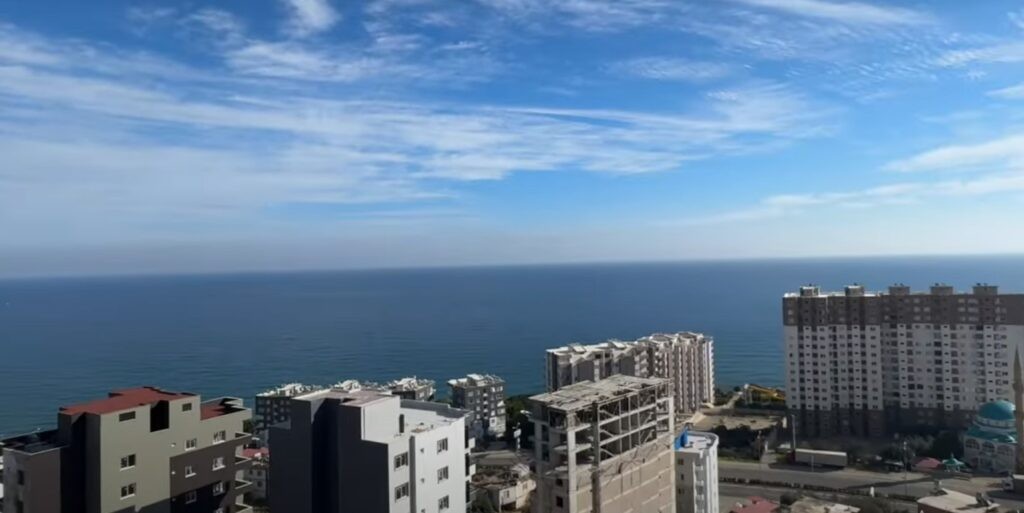
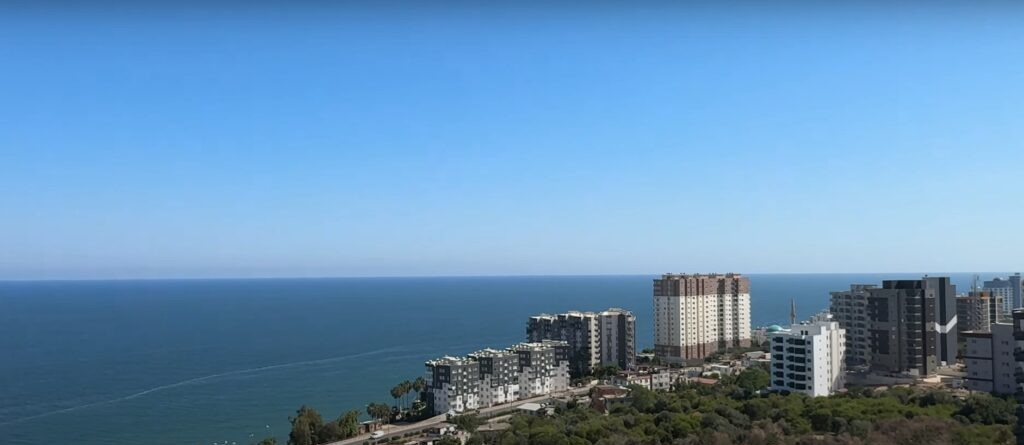
Photo: Dosseman (CC BY-SA 4.0), Wikimedia Commons; photos of the complexes are used with the site owner’s consent.